


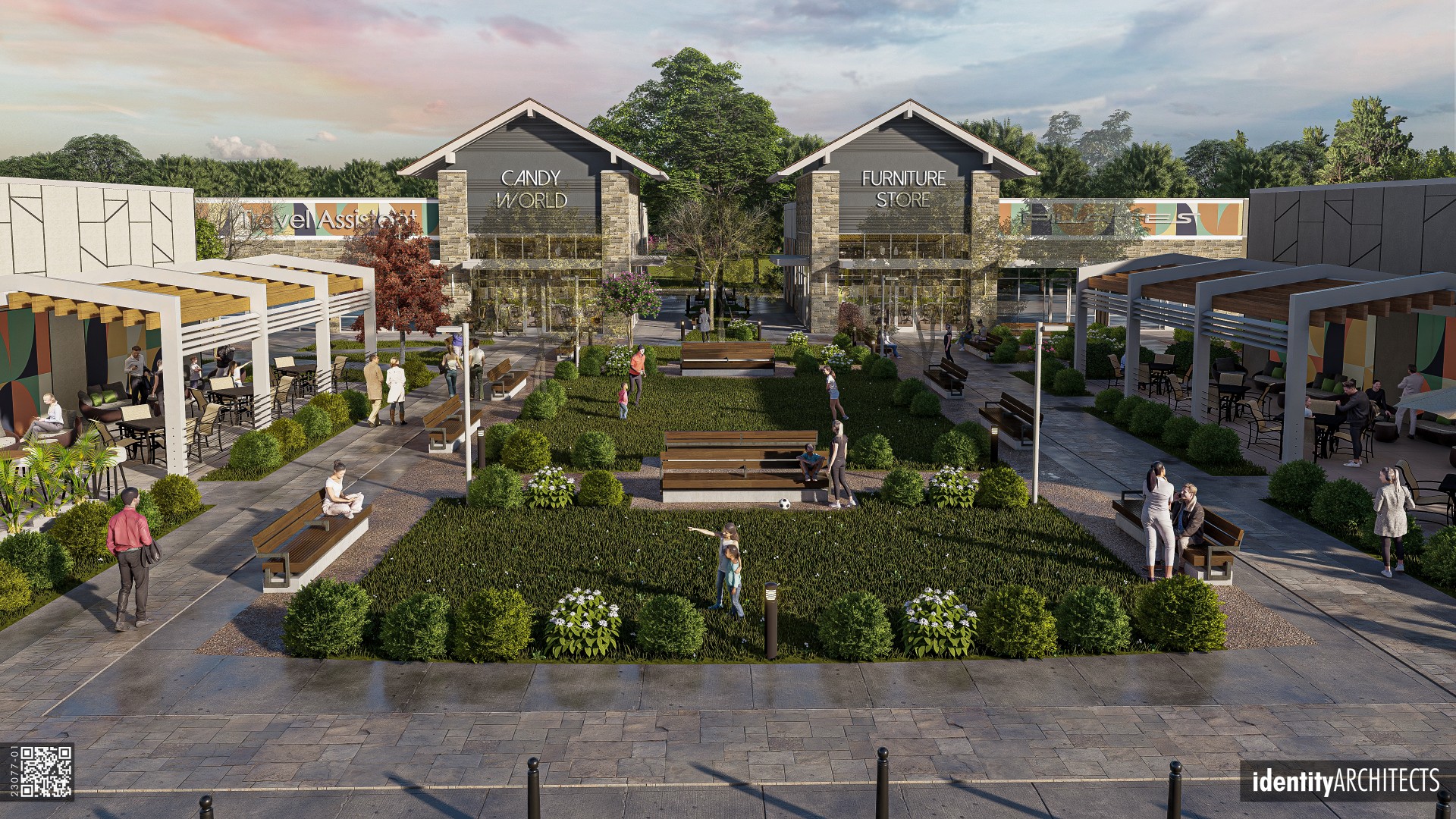
 Successful commercial projects begin with an aligned vision and execution
Commercial projects rarely struggle because of one isolated decision. More often, problems develop when dozens of connected decisions are made by separate teams working from different priorities.
A layout change affects structural and building systems. A material decision influences cost, procurement, maintenance, and appearance. A schedule adjustment may affect permitting, tenant commitments, or ongoing operations. When design and construction are treated as separate conversations, you may be left coordinating the gaps between them.
Architect-Led Design Build firms create a more connected delivery process. The architect provides design leadership while working closely with construction professionals, engineers, consultants, and the owner from early planning through completion.
Table of Contents:
- The Real Delivery Problem is Fragmentation
- Clear Leadership Protects the Project’s Priorities
- Cost Becomes Part of Design Decision-Making
- Decisions Move Faster When Trade-Offs Are Visible
- Design Intent Continues Into Construction
- Complex Projects Benefit Most From Coordinated Delivery
- Better Delivery Is Measured After the Building Opens
- Deliver Your Commercial Project With Greater Clarity
The Real Delivery Problem is Fragmentation
Traditional delivery methods can work well, but they often divide a project into distinct stages. The architect develops the design, contractors price the documents, and construction begins after many important choices have already been made.
That sequence can create friction when information moves between teams.
The architect may not receive timely input about material availability or construction sequencing. The contractor may enter after key design decisions are difficult to change. The owner may receive different recommendations from people evaluating the project through separate design, cost, or scheduling priorities.
As a result, you can become the person responsible for reconciling competing advice.
Common questions become harder to answer:
- Who is responsible for resolving a conflict between design and construction?
- How does a cost-saving proposal affect performance or user experience?
- Does a schedule change compromise the project’s most important goals?
- Who is tracking the cumulative effect of individual decisions?
Architect-Led Design Build firms do not remove the need for specialists. It gives those specialists a clearer framework for working together.
What Architect-Led Design Build Changes
Architect-Led Design Build connects architectural leadership with construction knowledge throughout the project.
The specific contractual structure may vary, but the operating principle remains consistent: design and construction considerations are evaluated together rather than passed from one team to another at the end of each phase.
The architect remains responsible for understanding the program, user needs, technical requirements, design intent, and long-term performance of the building. Construction professionals contribute knowledge about cost, logistics, procurement, installation, sequencing, and field conditions.
This allows the team to test each major decision against several questions at once:
- Does it support the owner’s business and operational goals?
- Can it be built efficiently and safely?
- Does it remain aligned with the project budget?
- Will it perform as intended after the building opens?
- What effect will it have on the schedule and other building systems?
Instead of solving one part of the project at the expense of another, the team can see the trade-offs while options are still available.
Clear Leadership Protects the Project’s Priorities
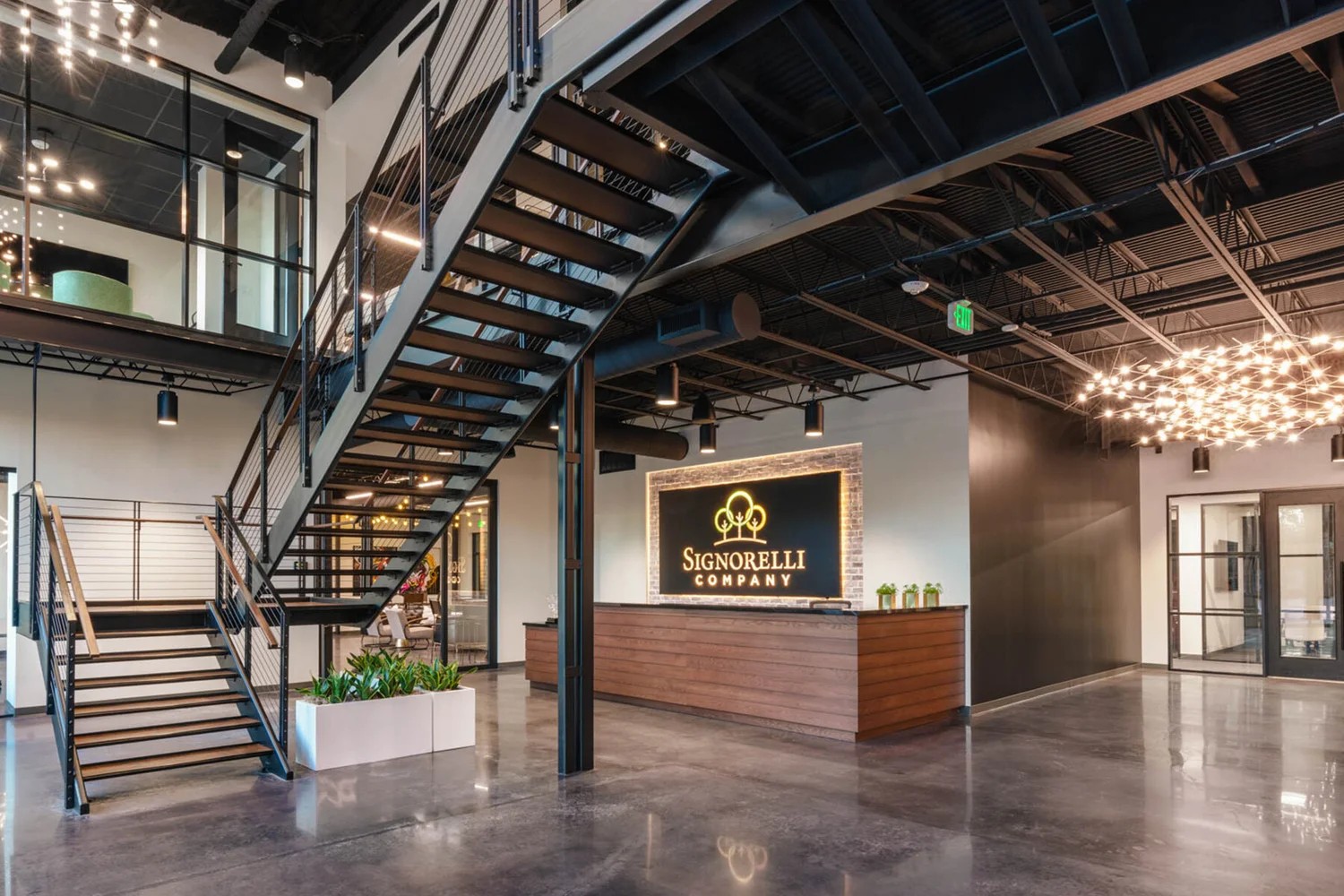 Identity Architects designed The Signorelli Company’s headquarters as a bright and welcoming two-story Class A office building
Every commercial project begins with priorities. You may need a building that supports efficient operations, attracts tenants, creates a distinct customer experience, accommodates specialized equipment, or allows future growth. Those priorities can become diluted as hundreds of smaller decisions are made.
Architectural leadership provides a consistent point of reference. The architect can evaluate changes against the project’s original goals rather than considering each choice in isolation.
For example, a lower-cost material may appear to offer immediate savings. However, the team should also consider its installation requirements, durability, maintenance needs, appearance, and effect on adjacent systems. A schedule-driven substitution may solve a procurement problem but weaken the user experience or create additional work elsewhere.
The goal is not to reject every change. It is to make changes with a clear understanding of their consequences.
This is one of the central advantages of Architect-Led Design Build: someone remains responsible for protecting the full project rather than only one phase or discipline.
Cost Becomes Part of Design Decision-Making
Budget control is most effective when cost information is connected to current design decisions.
Waiting until the drawings are substantially complete to receive meaningful pricing can create difficult choices. If the project exceeds the budget, broad redesign may be required, or important features may be removed quickly to protect the schedule.
Architect-Led Design Build allows architects and construction professionals to review cost as the design develops. Materials, building systems, structural approaches, equipment needs, and construction methods can be compared before the team commits to a direction.
That does not guarantee that pricing will remain unchanged. Market conditions, scope revisions, and unforeseen site conditions can still affect cost. The advantage is better visibility.
You can understand:
- Which decisions are affecting the budget
- Where alternatives are available
- Which features provide the greatest long-term value
- Whether an immediate saving creates a future operating expense
- How scope changes may affect design quality or performance
For owners comparing firms offering Architect-Led Design Build, this ability to connect cost with design intent is more meaningful than a promise to deliver at the lowest price.
Decisions Move Faster When Trade-Offs Are Visible
Commercial projects involve owners, users, architects, engineers, contractors, consultants, vendors, authorities, and sometimes tenants or investors. Delays often occur when one group cannot make a decision until it receives information from another.
A coordinated process reduces those gaps.
The architect can explain how an option affects the program and user experience. Engineers can identify technical implications. Construction professionals can address cost, procurement, and installation. The owner can then make a decision with the relevant information in front of them.
This creates a more useful approval process. Instead of receiving disconnected recommendations at different times, you can compare the full effect of each option.
Clearer decisions also create a more reliable record of why a direction was selected. That matters when questions arise later, particularly on projects with multiple stakeholders or long development timelines.
Design Intent Continues Into Construction
A strong design still has to be interpreted, coordinated, fabricated, installed, and reviewed in the field. Identity Architects’ featured portfolio project demonstrates how architectural character, operational needs, and construction coordination can support one cohesive commercial vision.
Many small construction decisions can influence the final result. Product substitutions, shop drawings, field conditions, equipment clearances, finish transitions, and installation details may all affect how the building looks and performs.
Under Architect-Led Design Build, the architect stays closely connected to these decisions. The construction team can raise questions with a clear understanding of the design priorities, and field solutions can be evaluated before they unintentionally weaken the approved concept.
This continuity is especially important in commercial architecture design, where the building must balance appearance with operations, durability, code compliance, customer experience, and long-term maintenance.
Complex Projects Benefit Most From Coordinated Delivery
Architect-Led Design Build can be valuable across many project types, but it becomes especially useful when the project includes:
- Multiple owners, users, tenants, or approval groups
- Specialized operational or technical requirements
- Phased development or future expansion
- Construction within an occupied building
- Compressed scheduling or long-lead equipment
- Complex permitting and consultant coordination
- A strong brand or user-experience component
A mixed-use development, for example, must coordinate customer circulation, tenant access, loading, utilities, public spaces, parking, and future phases. A healthcare project may require clinical workflow, specialized infrastructure, equipment planning, and regulatory review. A corporate office must connect workplace needs with technology, flexibility, comfort, and company identity.
These are not simply aesthetic challenges. They require design, operations, and construction to be considered together.
Better Delivery Is Measured After the Building Opens
Good delivery considers whether spaces are easy to operate, maintain, adapt, and understand. It asks whether circulation works during busy periods, whether building systems remain accessible, whether materials can withstand daily use, and whether the property can respond to changing business needs.
Architect-Led Design Build keeps those long-term questions connected to immediate project decisions. That is what makes the approach smarter. It does not treat design as an idea that is handed off for someone else to execute. It treats the completed building as the result of one coordinated series of decisions.
Deliver Your Commercial Project With Greater Clarity
Identity Architects provides integrated planning, commercial architecture design, and construction coordination for healthcare, retail, office, and other specialized commercial environments.
With more than two decades of experience, the team understands how to connect design vision with budget, construction requirements, business operations, and long-term performance. Organizations seeking coordinated architecture firm design services in Houston can work with one team that keeps those priorities connected throughout the project.
Call 713.595.2150 or email us to discuss your next commercial project and discover how an Architecture-Led Design Build approach can help bring your goals to life.