

Design Build

What Is design build?

Design-build is about collaboration, not separation. It brings designers and builders together to deliver projects faster, better, and more cost-effectively

Design-Build Institute of America (DBIA)

why architect-led design build?

When design and construction are fully aligned, the building becomes more than a finished product.
It becomes a higher-performing asset—designed with intention, built with precision, and delivered with confidence.
 
Architect-Led Design Build ensures that what you invest your time in designing…
is what you actually build, without your time spent on negotiations and unexpected change orders during construction.
 

Photo

Vision Translation

We listen first, then translate your vision into a viable plan that performs financially and functionally.

know more
Photo

Owner Advocacy

Your goals stay protected throughout the process—scope, cost, schedule, quality, and long-term performance.

know more
Photo

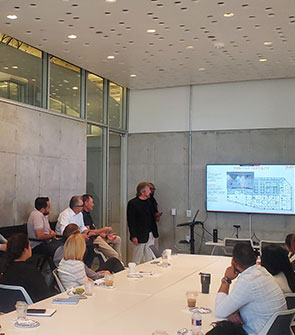
Leadership + Coordination

Architects are trained to lead complex teams. We manage communication, decisions, and accountability.

know more
Photo

Technical Mastery

Codes, systems, materials, and constructability aren’t add-ons—they’re foundational to better outcomes.

know more
Photo

Risk Reduction

By resolving unknowns early, we reduce redesign, delays, and downstream cost escalation.

know more

"Design-build is about collaboration, not separation. It brings designers and builders together to deliver projects faster, better, and more cost-effectively"

Design-Build Institute of America (DBIA)

from design to reality

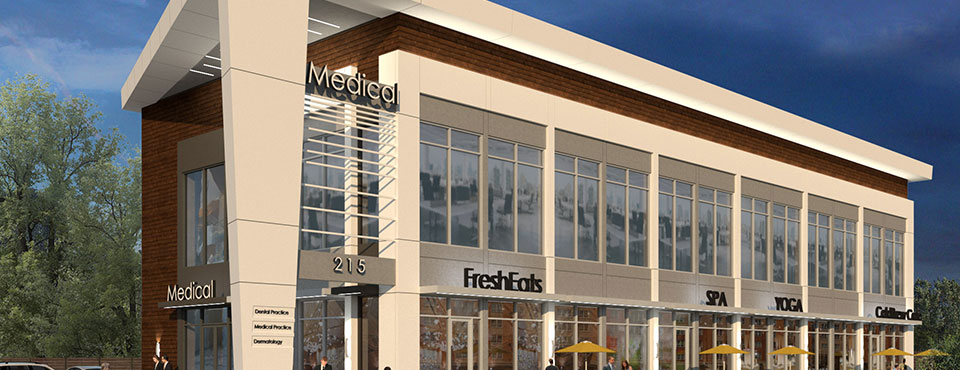
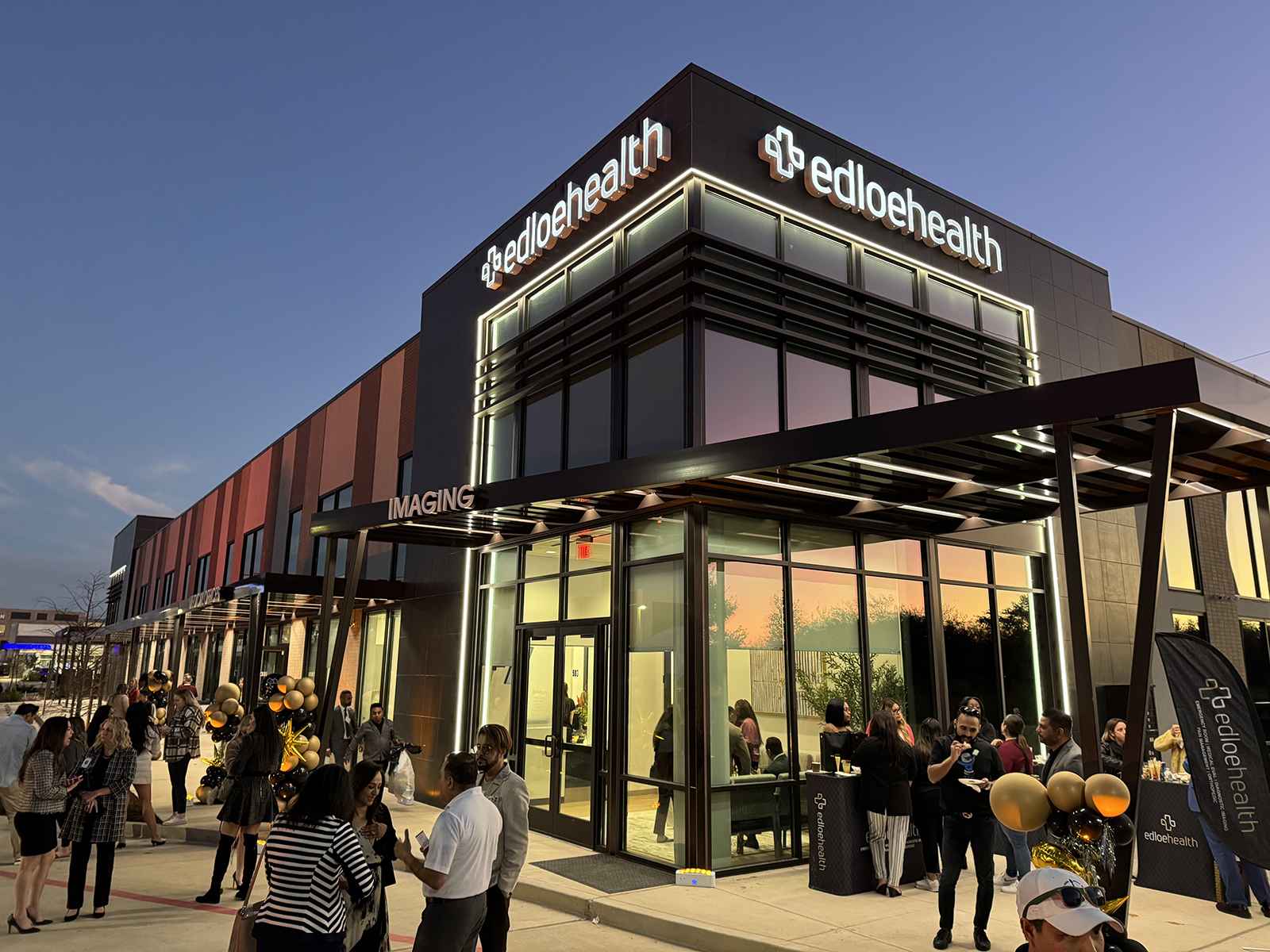
Medical Facility 1 Houston, TX

Know More

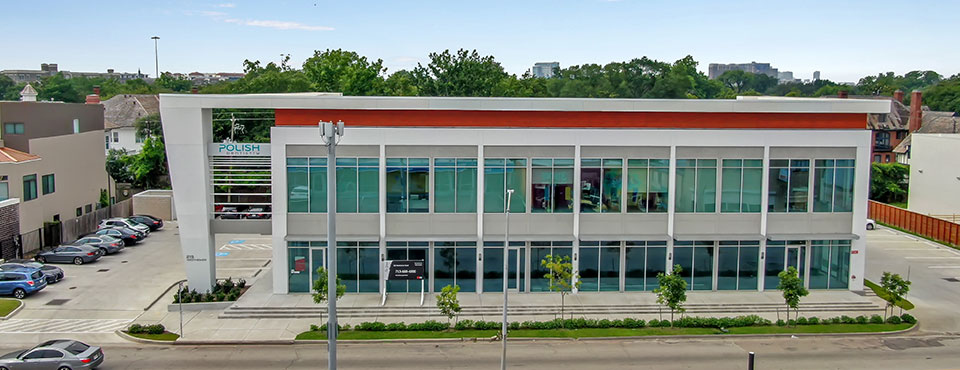
Medical Facility 2 Houston, TX

Know More

what are the advantages?

Photo
Save Time: Faster to Market
Check Overlap Design + Pre-Construction Check Early procurement and long-lead planning Check Fewer RFIs, fewer redesign loops
Outcome Line: Open sooner. Lease sooner. Operate sooner.
Photo
Save money: Cost Certainty Earlier
Check Subcontractor/supplier input earlier Check Continuous value alignment (quality before cost shocks) Check Fewer change orders from "unknowns"
Outcome Line: Predictability beats surprises—every time.
Photo
Reduce risk: One Team Accountable
Check Unified responsibility Check Early issue resolution Check Clear decision path
Outcome Line: Less finger-pointing. More problem-solving.

what is the process?

The architect hires a general contractor at the front end of the project and the two collaborate throughout the design and preconstruction planning phases. This streamlined process, with a single contract between the owner and the Design Build team, saves the owner from playing intermediary.

The architect is the troubleshooter, finding solutions to issues as they arise. This saves valuable time and money and delivers the project quicker than with the Design Bid Build method, which involves separate contracts and separate work.

Imagine the luxury of focusing on quality before cost! Identity will negotiate with the general contractor to utilize their best subcontractors familiar with the project’s specifications — or tailor the specifications for qualified subs. This integrated team incorporates BIM (Building Information Modeling) and LEED (Leadership in Energy and Environmental Design) certification goals.

Read More

"This simple but fundamental difference saves money and time by transforming the relationship between designers and builders into an alliance which fosters collaboration and teamwork."

Design-Build Institute of America (DBIA)

why design build vs design-bid-build?

Single Source of Responsibility.

The Design Build process has the ability to provide an owner with a single source of responsibility and accountability for all aspects of a project. This also allows the owner to manage one contract instead of multiple contracts between the design consultants and the general contractor, which generally leaves the door open to finger-pointing when a challenge arises.

Project Structure
Design Build
Design-Bid-Build
Contract Type
Single contract encompassing both design and construction phases.
Separate contracts for design and construction phases.
Responsibility
A unified team handles both design and construction, streamlining accountability.
Design and construction are managed by different entities, which divides the accountability between parties — which can lead to finger pointing instead of solving the issue.
Communication
One point of contact for the project owner, facilitating faster communication. Minimizes questions in the field.
The project owner manages multiple contacts, which may complicate oversight and slow communication.
Read More
Save Time.

The Design Build process establishes a collaborative and integrated team that can significantly reduce the “from design to construction” time required by creating an environment of teamwork and streamlined communication while also significantly reducing the potential for design and construction errors. Per the Design Build Institute of America, Design Build projects are about 30% faster to market than the traditional Design Bid Build schedule allows.

Collaboration
Design Build
Design-Bid-Build
Team Integration
The integrated design and construction team collaborates from project start to completion. Minimizes questions in the field.
Design and construction teams work sequentially, often without interaction until the construction phase.
Conflict Resolution
A unified team resolves issues early, which minimizes the risk of miscommunication. More efficient problem solving.
Communication may be delayed, with potential for misunderstandings between the designer and builder.
Adaptability
Changes are easier to implement due to collaborative planning. Minimizes questions in the field.
Design changes are harder to address, often leading to additional costs or delays during construction.
Project Duration
Faster overall project delivery due to simultaneous design and construction phases.
Potentially longer timeline, as each phase is dependent on the completion of the previous phase.
Timeline Flexibility
Adjustments can be made during construction, reducing downtime.
Requires adherence to strict schedules, with fewer opportunities for mid-phase adjustments.
Read More
Save Money.

In traditional Design Bid Build scenarios subcontractors and suppliers — who make up 80% of a project’s cost — are not engaged until detailed project plans have been prepared for bidding. As part of the integrated Design Build team, this input is incorporated into the project from the start, avoiding costly change orders later on in the project.

Budget Control
Design Build
Design-Bid-Build
Budget Establishment
Budget is set early with input from both design and construction teams.
Budget may vary as the project progresses, with potential for adjustments during design.
Cost Predictability
Predictable costs due to collaboration on value engineering and efficient design solutions.
Budget flexibility allows for adjustments but may lead to higher costs due to design modifications.
Change Order Impact
Fewer change orders due to early design alignment with construction realities.
More change orders as construction begins, often increasing final costs and affecting the budget.
Read More
Brochure Thumbnail

download architect-led design build brochure

In this brochure, learn how Identity Architects uniquely bring Vision, Client Focus, Leadership, and Technical Knowledge to the process.

ready to bring bold
ideas to life?

let's connect
Skip to content