


Decisions That Shape Patient Flow, Staff Efficiency, and Growth
Table of Contents:
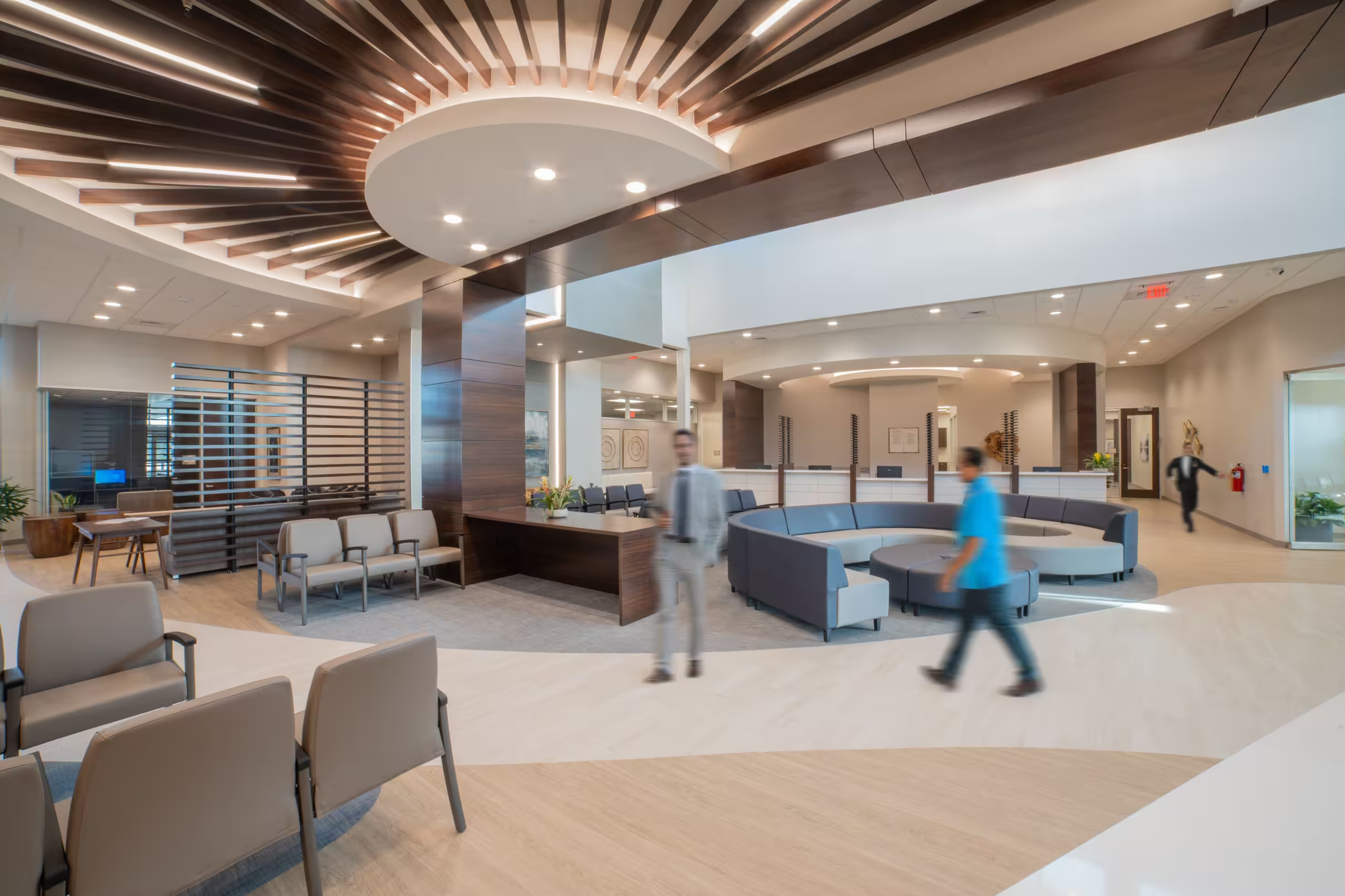
A well-planned healthcare building enhances how care is delivered.
Every design decision contributes to performance: how patients arrive, how staff move, where supplies are stored, how clinical teams stay connected, and how public, private, and treatment areas are organized. When these decisions are grounded in real operational understanding, the building can create a smoother patient experience, support providers throughout the day, protect privacy, and give the organization room to grow.
The strongest healthcare environments do more than accommodate care. They help make care delivery more coordinated, efficient, and responsive from the moment the doors open.
A Behavioral Healthcare Facility Must Balance Access, Privacy, and Dignity
Tri-County Behavioral Healthcare in Conroe shows why healthcare planning has to go deeper than room counts. Identity Architects helped design and deliver a three-story, 90,000-square-foot headquarters that brings clinical services, administrative functions, and community spaces into one facility.
That combination requires careful planning. A behavioral healthcare environment needs to feel accessible and welcoming without compromising privacy. It must support children, adults, clinicians, administrative teams, and community-facing services without making the building feel institutional or difficult to navigate.
For Tri-County, the design integrates outpatient clinical areas, therapy rooms, supportive community spaces, administrative offices, and flexible meeting areas. Natural light, color, graphics, and a warmer interior experience help reduce the stigma often associated with behavioral healthcare settings. Just as important, staff work areas remain connected to client services, which supports coordination and keeps operations from feeling divided between front-of-house care and back-of-house administration.
This is the kind of project that demonstrates the value of operational design. The building is not only attractive. It is organized around access, comfort, privacy, collaboration, and service delivery.
Patient Flow is More Than Movement
Patient flow is the full sequence of arrival, orientation, waiting, intake, treatment, consultation, follow-up, and departure. When that sequence is unclear, patients feel it. They hesitate at entry points, crowd around check-in areas, double back through corridors, or depend too heavily on staff for directions. In a busy practice, those small moments repeat all day and can affect both satisfaction and throughput.
South Texas Bone & Joint in Corpus Christi offers a great example of patient-centered planning. The facility was designed with expansive lobbies, natural light, organized seating zones, carefully detailed wood accents, bold ceiling features, integrated lighting, and intuitive circulation paths. Those are not simply aesthetic decisions. They help establish a calmer arrival experience, give patients clearer visual cues, and support the demands of a busy specialty healthcare practice.
For an orthopedic environment, this matters. Patients may arrive with pain, limited mobility, or anxiety about treatment. A building that is easy to understand and comfortable to move through becomes part of the patient experience. It allows the facility to feel professional and welcoming while still serving a high-performance clinical function.
Adaptive Reuse Requires a Different Kind of Discipline
Not every healthcare project begins with a new site. Many organizations need to convert, renovate, or reposition existing buildings. That can be an efficient path, but only if the original structure can be adapted to meet healthcare requirements.
UT Physicians Multispecialty in Bellaire demonstrates this challenge. The project transformed a mid-century office building into a modern healthcare destination, improving accessibility, wayfinding, and the overall patient experience. The renovation introduced a new canopy and entry sequence, creating a stronger sense of arrival while improving pedestrian and vehicular access. Inside, bright finishes, acoustic treatments, contemporary furnishings, and clearer navigation helped the building support a wide range of specialty practices.
This type of healthcare architecture requires more than interior updates. Adaptive reuse for healthcare must account for circulation, code, accessibility, acoustics, patient privacy, infrastructure, and the relationship between existing conditions and new clinical demands. The goal is not simply to make an older building feel fresh. The goal is to make it function as a healthcare environment.
Technical Healthcare Spaces Need Hospitality and Precision
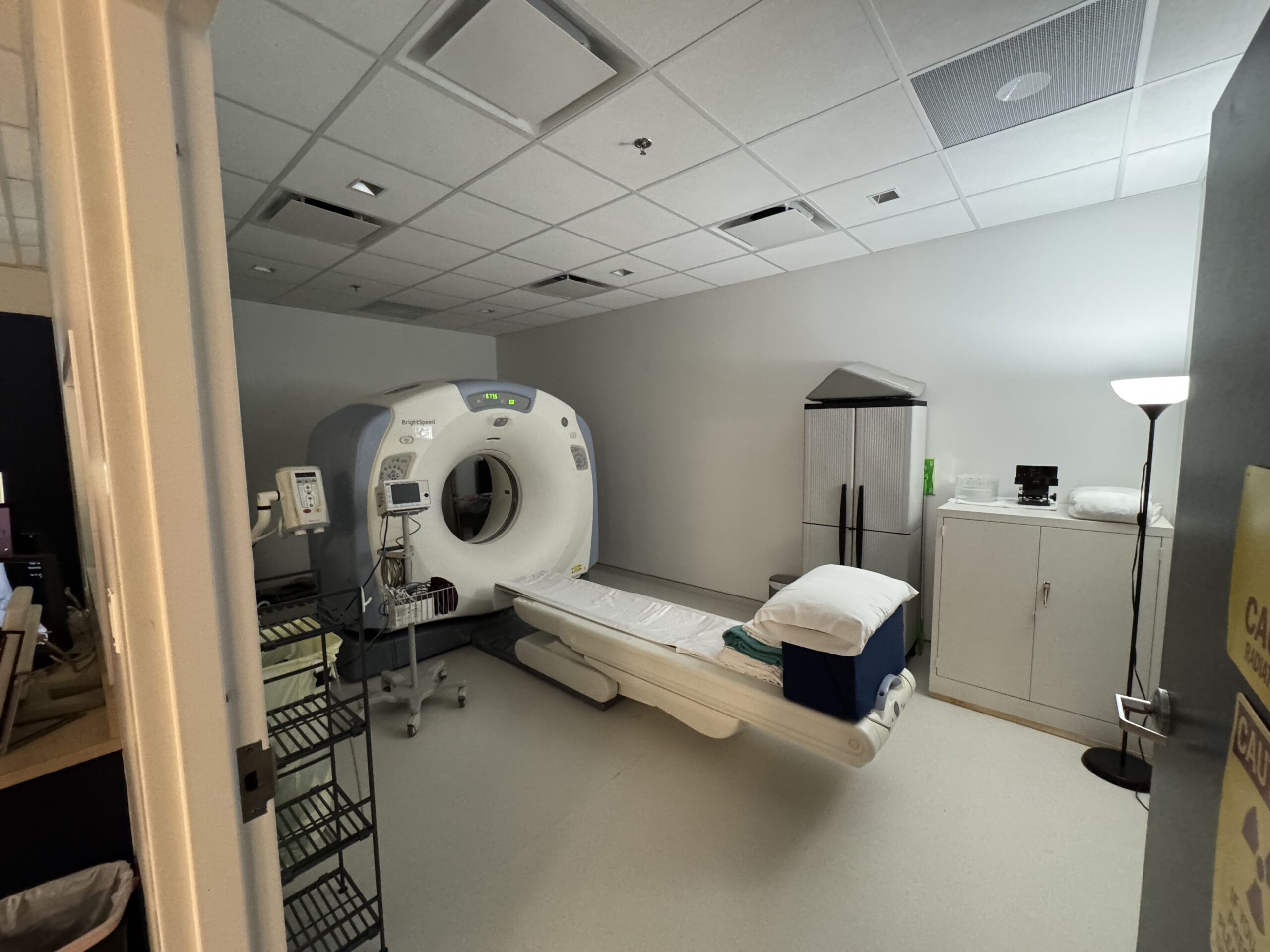
Some healthcare facilities carry a particularly high technical burden. Imaging centers, diagnostic suites, treatment rooms, and pain management clinics require specialized coordination between healthcare architecture, medical equipment, building systems, patient flow, and provider workflow.
Edloe Health in Sugar Land is a strong example. Identity Architects delivered a 16,100-square-foot medical facility through a design-build approach that included both shell construction and customized interior buildout. The facility integrates advanced healthcare services in a modern, patient-focused environment, including an imaging center with MRI and diagnostic suites as well as a dedicated pain management clinic.
This is where architect-led design-build can create measurable value. The earlier technical requirements are understood, the better the team can coordinate infrastructure, equipment clearances, patient circulation, staff access, and future service needs. In a facility like Edloe Health, design has to support the precision of healthcare delivery while still creating an environment that feels calm, contemporary, and human.
The result is not just a technically capable building. It is an integrated healthcare environment where advanced medical services, patient comfort, provider efficiency, and architectural identity work together.
FAQs
What should you consider before building a medical facility?
Before building a medical facility, you should evaluate the site, patient access, parking, zoning, code requirements, clinical workflow, equipment needs, staff circulation, and future expansion potential. Early healthcare facility planning helps align the building with how care will actually be delivered, reducing costly changes later in the process.
How long does it take to design and build a healthcare facility?
The timeline for designing and building a healthcare facility depends on the project size, site conditions, permitting requirements, medical equipment needs, and whether the project is new construction, renovation, or adaptive reuse. Working with an architecture and design-build team early can help clarify schedule expectations, coordinate technical requirements, and reduce delays between planning, design, and construction.
Is it better to renovate an existing building or build a new medical facility?
Renovation can be a strong option when an existing building has the right structure, access, infrastructure, and layout potential for healthcare use. New construction may offer more flexibility for patient flow, clinical adjacencies, equipment planning, and future growth. The best choice depends on your care model, budget, timeline, site conditions, and long-term operational needs.
Partner with Identity Architects
Buildings that function well over time exemplify strong healthcare design. From patient flow to staff efficiency, every detail adds up to a more reliable and scalable operation.
As a trusted healthcare architecture firm, Identity Architects brings over 22 years of experience in healthcare building design and integrated project delivery. We bring an architect-led design-build approach that aligns planning, design, and construction from the outset.
Call us at 713.595.2150 or send us an email to discuss your next healthcare project.